

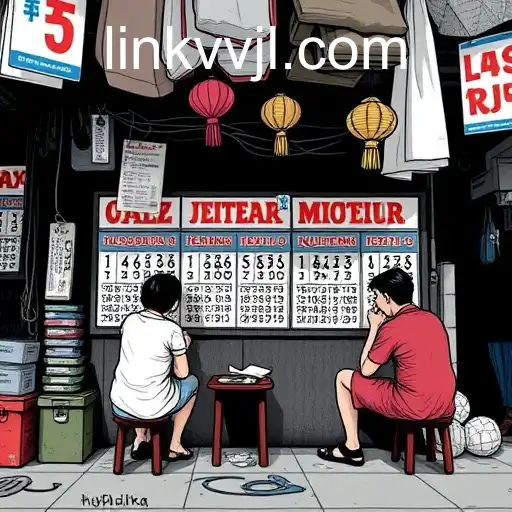

Jueteng, an illegal numbers game that has been deeply embedded in the socio-political fabric of the Philippines, continues to thrive despite repeated attempts at regulation and eradication. The term jueteng originates from the Chinese words meaning 'flower' and 'bet', indicative of its nature as a localized form of gambling that has similarities with similar numbers games in other cultures. Yet, jueteng stands out not just for its clandestine operation but also for the way it influences and is influenced by the socio-economic conditions of the country.
The exact origins of jueteng in the Philippines are somewhat obscured by time, but its presence has been documented for over a century. Introduced during the Spanish colonial era, it quickly assimilated into the local culture and evolved into a widely played game. Its appeal lies in its simplicity: players select a combination of numbers, and if their numbers match the winning combination, they win a monetary prize.
Throughout the years, jueteng has been portrayed as a vice, yet it persists across different social strata, from the disenfranchised to those wielding political power. This endurance can largely be attributed to the perceived economic opportunities it presents to operators and bettors alike. In many impoverished communities, jueteng provides a glimmer of hope for daily sustenance.
The game's structure is quite straightforward. A jueteng bet usually involves choosing a couple of numbers, often ranging from one to thirty-seven. These numbers are typically drawn twice a day, and the winning bettors are paid out in multiples of their stakes. The simplicity of the betting process, combined with low entry costs, makes jueteng accessible to a broad audience.
Organizing a jueteng draw involves several roles, from the cobrador or bet collector to the kabo, who oversees multiple collectors and reports to a central operator. This hierarchy creates a streamlined distribution network that is both resilient and adaptable, capable of evading law enforcement while maintaining efficiency.
Jueteng's entrenchment in Filipino society underscores its profound socio-economic impacts. In communities where employment opportunities are scarce and poverty rates high, the game serves as an informal economic system. Operators employ a multitude of people, from bet collectors to coordinators, infusing cash flow into local economies.
However, the flip side is that it also perpetuates systemic issues, such as corruption and patronage politics. Funds generated from jueteng often seep into political campaigns and are used to secure loyalty and silence from authorities, undermining governance and fostering a culture of impunity. This dual impact creates a moral dilemma, pitting the potential social services provided against the inherent control and exploitation by powerful entities.
Despite its illegal status, jueteng's regulation remains contentious. Various administrations have launched numerous campaigns to curb its prevalence, sometimes achieving temporary reductions in its operations. However, these efforts often lack continuity and are frequently overshadowed by scandals implicating high-ranking officials.
One of the proposed solutions has been to replace jueteng with a legalized numbers game, such as the Small Town Lottery (STL), designed to capture the revenue generated by jueteng and redirect it towards legitimate state-sponsored programs. However, these attempts have been met with mixed success, primarily due to issues of public trust and the ingrained nature of jueteng in local cultures.
Jueteng's influence on politics is undeniable. It has been a recurring issue in political discourse, with allegations of protection and involvement frequently leveled against both local and national figures. The game is often a clandestine part of the political machinery, providing funds necessary for campaigns and ensuring loyalty among grassroots supporters.
Investigations into jueteng operations occasionally unearth connections that hint at widespread involvement or tacit acceptance from political entities. Despite public outcry and media attention, these revelations seldom lead to significant reforms or convictions, highlighting the powerful socio-political ties that sustain jueteng.
For many Filipinos, jueteng is part of the daily rhythm of life. Its cultural resonance is reflected in local narratives, portrayed in media from films to radio dramas, and even discussed in academic circles examining post-colonial socio-economic conditions. This ingrained perception elevates jueteng beyond a mere gambling problem to a facet of cultural identity.
The public perception of jueteng is dual-faceted: while it is recognized as a vice, it is also understood as a coping mechanism in a landscape of limited economic opportunities. Efforts to address the jueteng phenomenon must grapple with this nuanced reality, balancing regulatory enforcement with genuine socio-economic development.
The future of jueteng is intricately tied to broader socio-economic developments in the Philippines. Addressing the challenges it presents requires a multifaceted approach, prioritizing both enforcement and economic enrichment. Empirical studies and grassroots initiatives suggest that sustainable change is possible through community-driven development and transparent governance.
Any successful strategy will likely necessitate a reevaluation of current policies, increased community engagement, and a concerted effort to address poverty and unemployment, which fuel the game’s popularity. By engaging stakeholders across society, there exists potential not only to diminish jueteng's grip but also to foster socio-economic resilience.
Ultimately, jueteng's story is a reflection of broader societal challenges, a testament to the complexities of addressing systemic issues within traditional frameworks. As the Philippines continues to grapple with these dilemmas, the discourse around jueteng remains a critical intersection of policy, culture, and community.

Delve into the captivating universe of ElephantStampede, a game that combines strategic thinking with adrenaline-pumping action, set against a backdrop of current events.

Dive into the vibrant world of FlirtingScholarTangII, uncovering its captivating gameplay, intricate rules, and the current atmosphere surrounding this intriguing game.

Explore JokerExpand, the latest interactive gaming sensation that combines strategic gameplay with thrilling challenges.

Discover the exciting gameplay of GoHighFruit, a new and interactive game, and learn its rules and mechanics.

Explore the enchanting world of GemSaviourSword, where players embark on a unique adventure filled with challenges and excitement.

Discover the enchanting world of ValleyofDreams, a captivating game blending fantasy and strategy, underpinned with the enigmatic keyword 'vvjl'. Delve into its immersive gameplay and unique rules.
